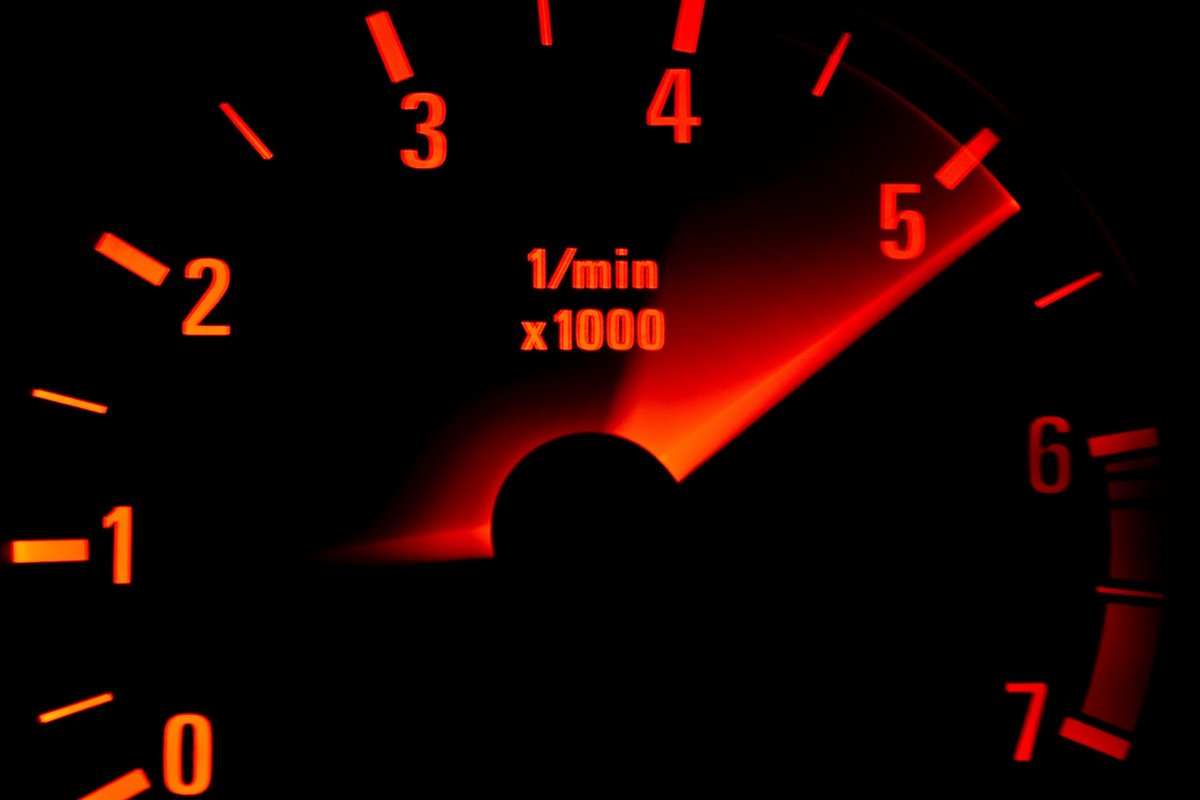
Fuel cut vs spark cut: which rev limiter should I use?
Both cuts stop the cylinder making torque, but a fuel cut sends air into the exhaust and a spark cut sends unburned mixture. What each one does to the turbo, the converter, and the valvetrain, how hard and soft limiters differ, and how to choose the cut for your engine.
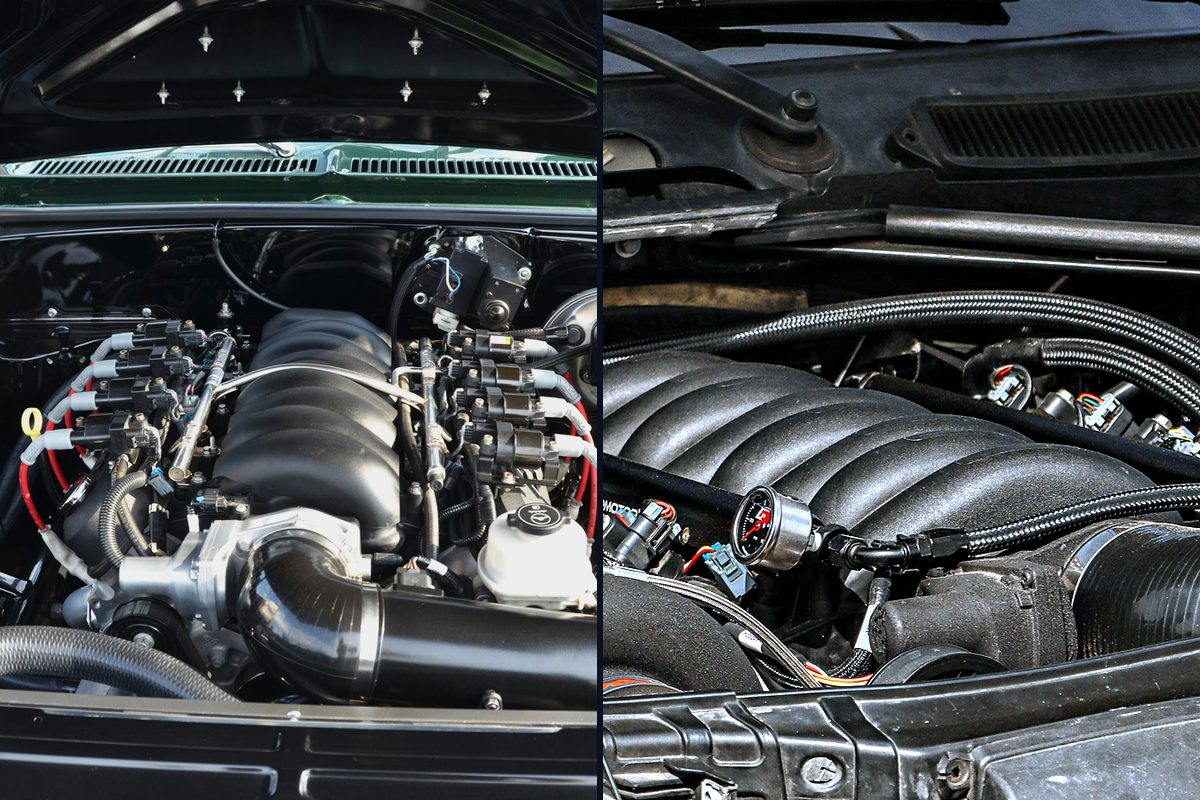
EFI tuning: knowing what a table does versus why you'd change it
The help file tells you what each setting does, but not what your engine needs, and that only becomes a problem once your engine responds differently to the one in the tutorial. Why copied numbers rarely work, and what it takes to work out your own.
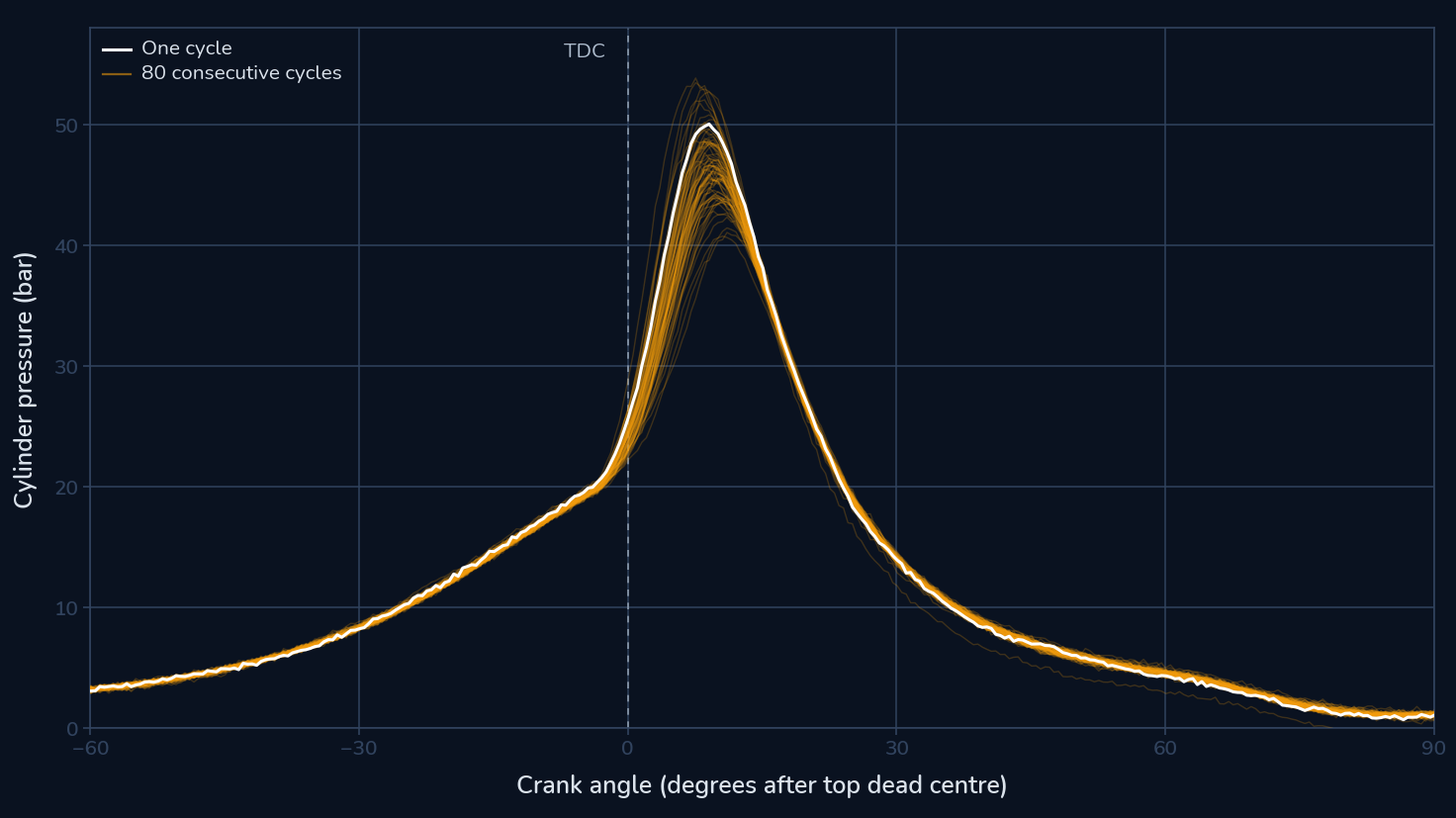
In-Cylinder Pressure Measurement - Part 2: Cycle Variation and the Knock Limit
No two combustion cycles are the same, and it is the fastest cycles in the spread that set your knock limit rather than the average one. Why the cycles differ, how that variation decides how much timing the engine will take, and what tightens the distribution.
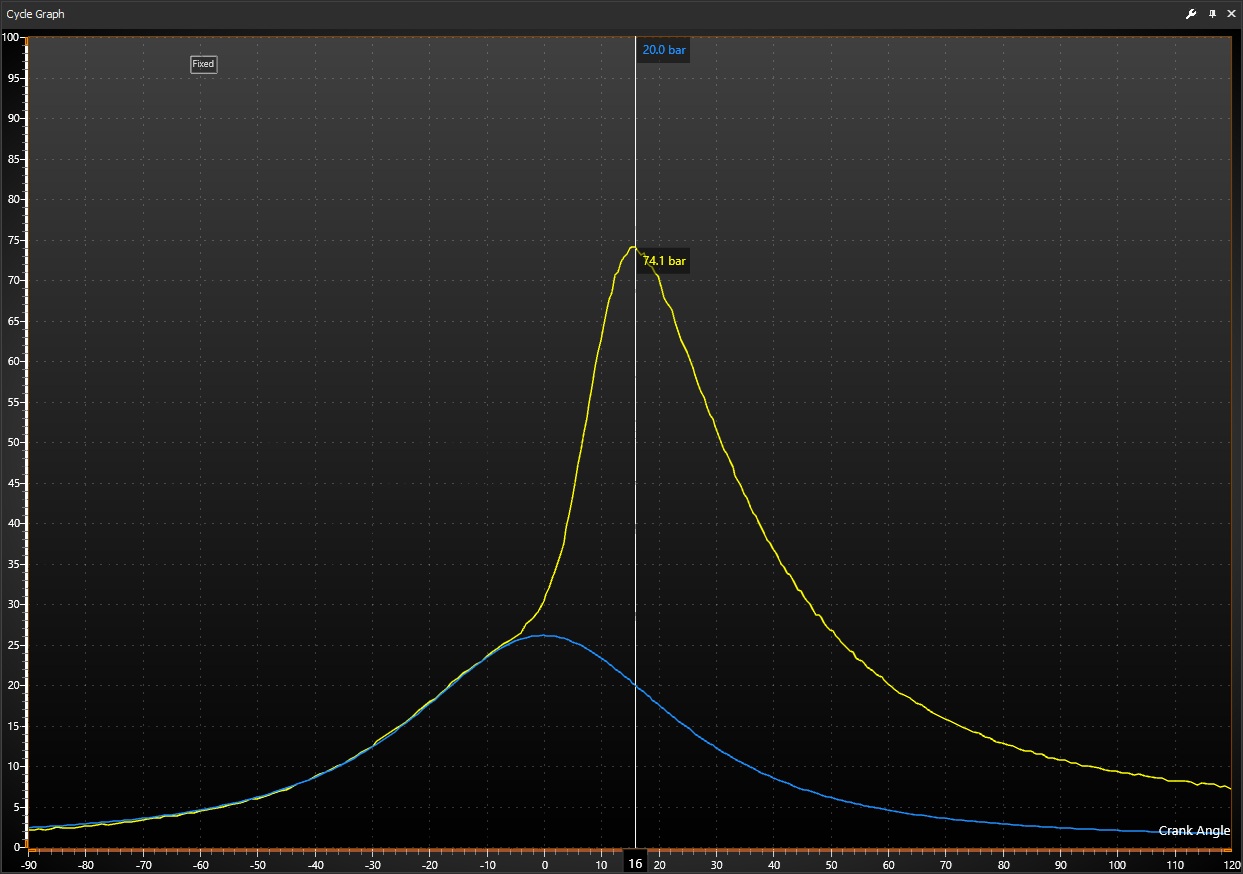
In-Cylinder Pressure Measurement - Part 1: An Introduction
What an in-cylinder pressure trace is, what it tells you about combustion phasing, peak pressure and cylinder balance, and why it sees things the dyno and your usual sensors can't.
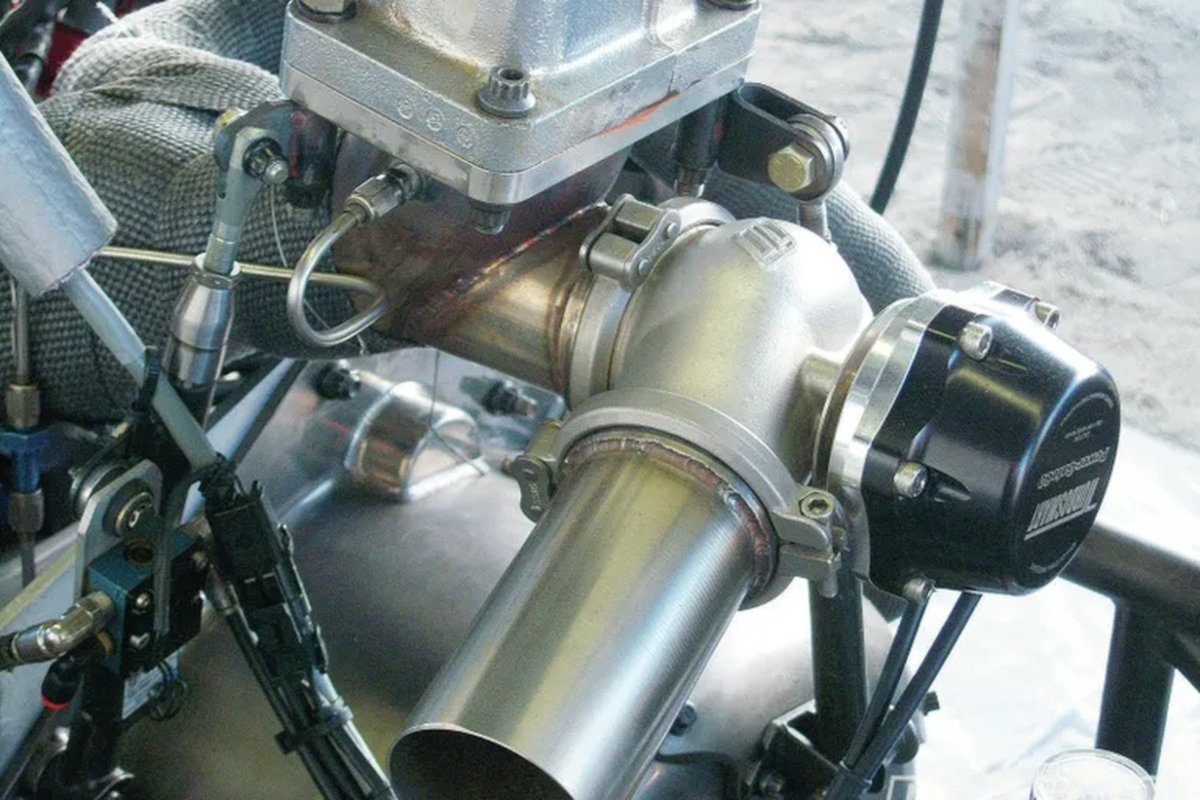
Wastegate sizing: what the wastegate actually has to flow
Bypassing exhaust flow around the turbine is the only job a wastegate has, and the share of total flow it has to carry is larger than most people assume. How much a wastegate has to flow, what sets that requirement, and what happens across the engine when the flow capacity isn't enough.
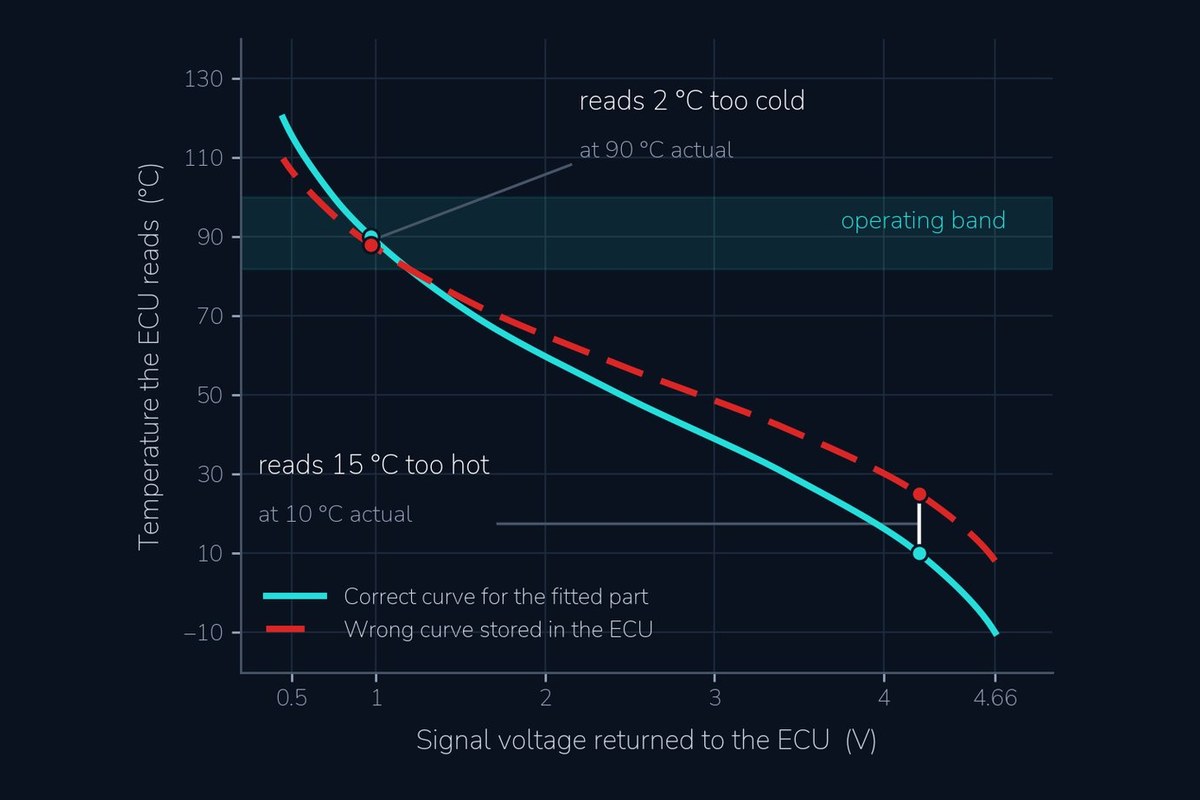
Coolant temperature: what your ECU does with the number
The ECU never receives a temperature. It reads a voltage and then converts it, and almost everything the ECU does is referenced against the result. What relies on that conversion, and what happens when it's wrong.
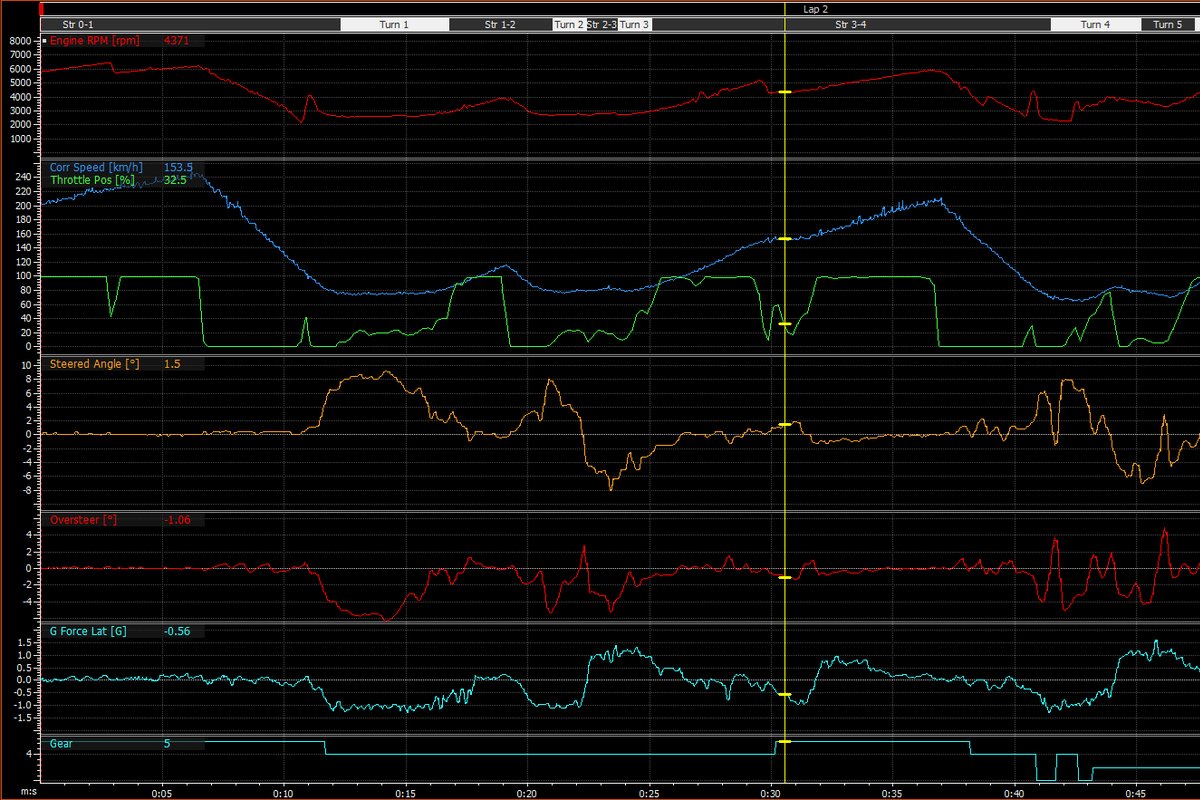
Logging Rates: What are they, and why do they matter
Your log isn't a record of the run, it's a record of the moments you happened to measure. What a logging rate gives you, what it leaves out, and how to tell whether you captured what you were after.
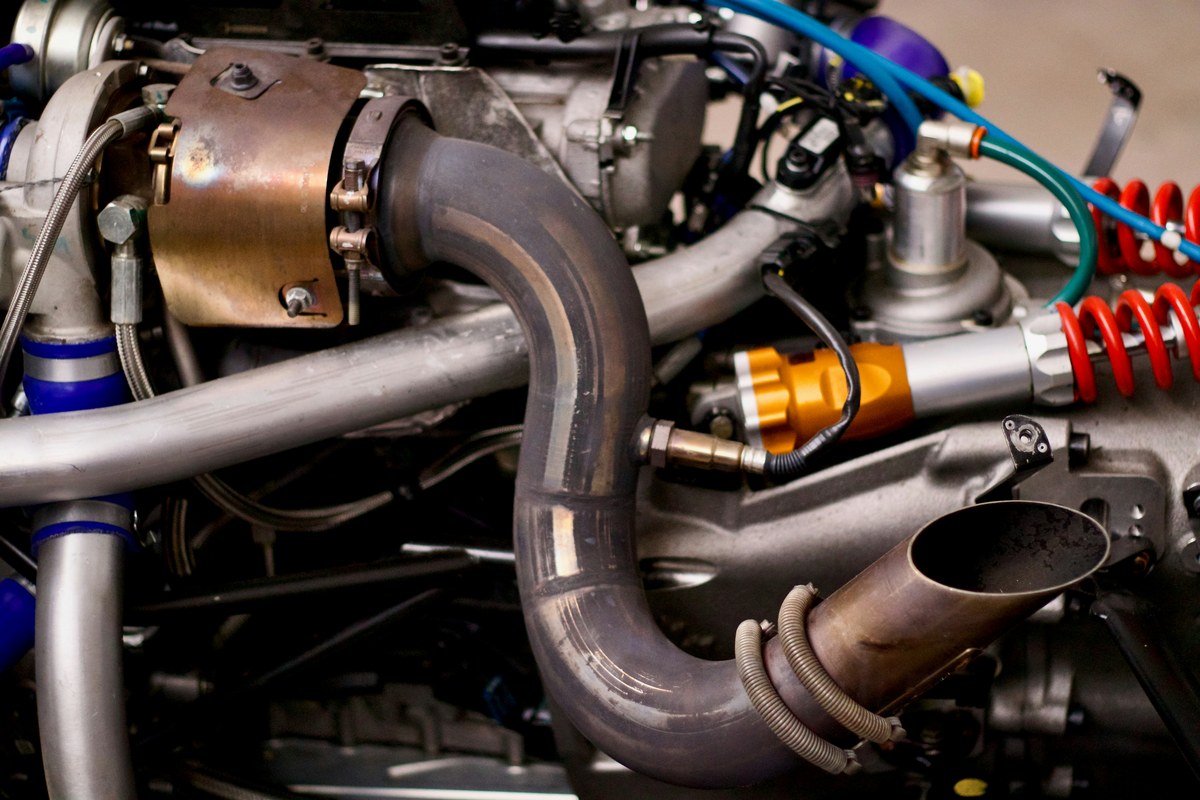
Why Your Wideband Reads Lean When Fuelling Is Fine
A wideband measures the oxygen in your exhaust, not the fuel you delivered. Here are the situations where the number reads lean when your fuelling is fine, and why reacting to it makes things worse.

Where to Start With EFI Tuning
You've watched the videos and still feel stuck. The problem usually isn't missing information, it's the order you're learning things in. Here's the fix.
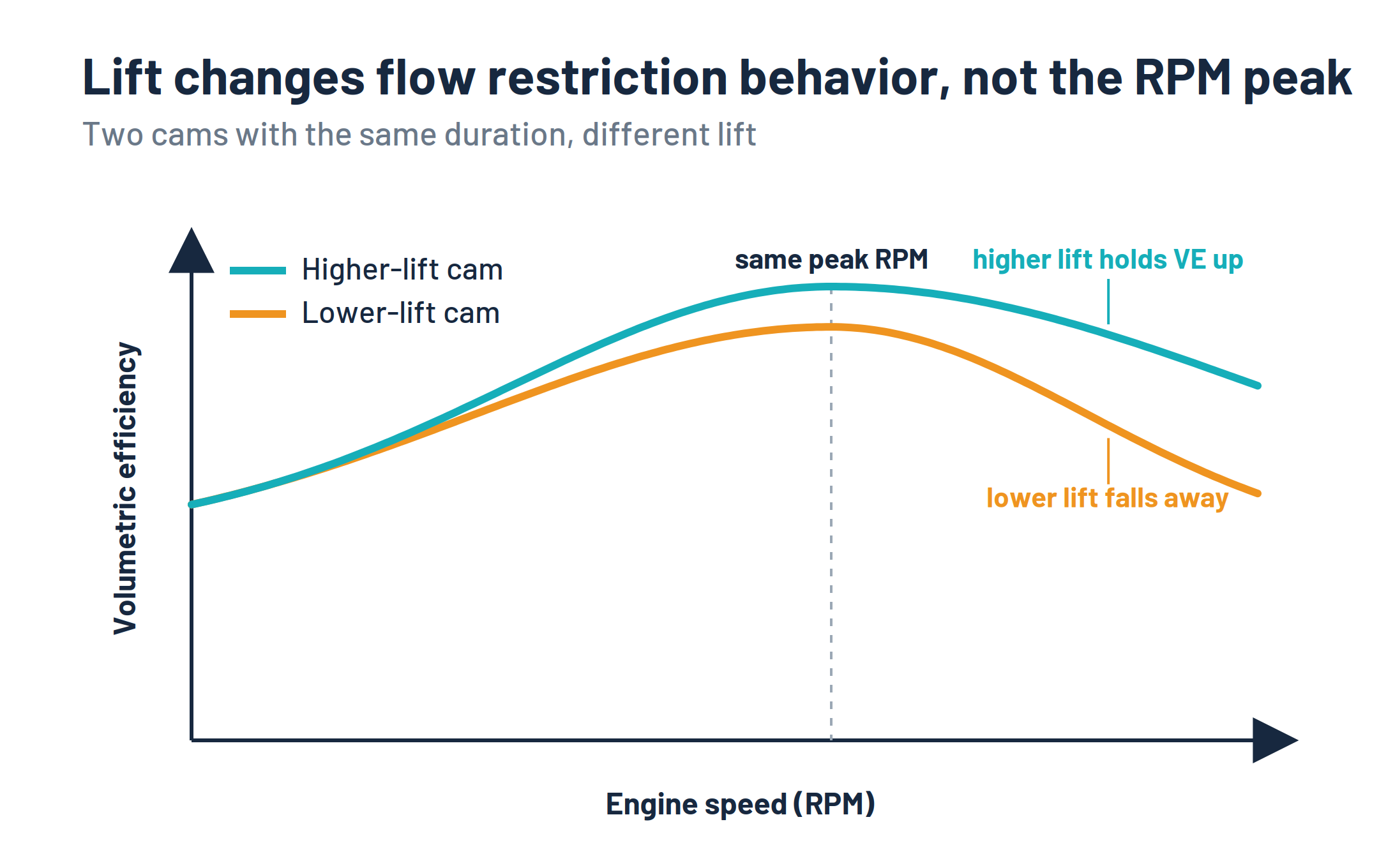
Camshaft profiles and valve timing: how they shape your VE curve
Cam specs tell you more than which RPM range an engine likes. They predict the shape of the VE table you'll be tuning, and why a cam change means starting that table over.
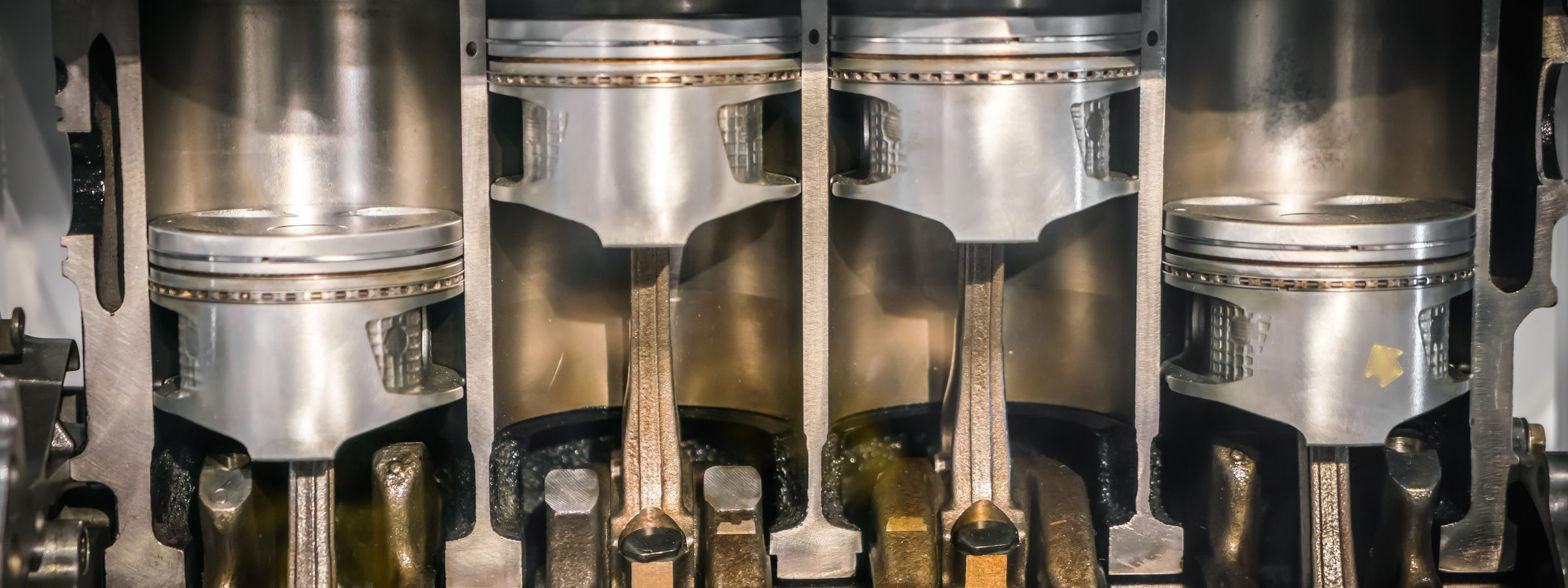
Compression ratio: what it tells you about power, efficiency, and knock
Static compression ratio is the first number you check on an engine. What it tells you about efficiency and knock, what it leaves out, and why it still matters.
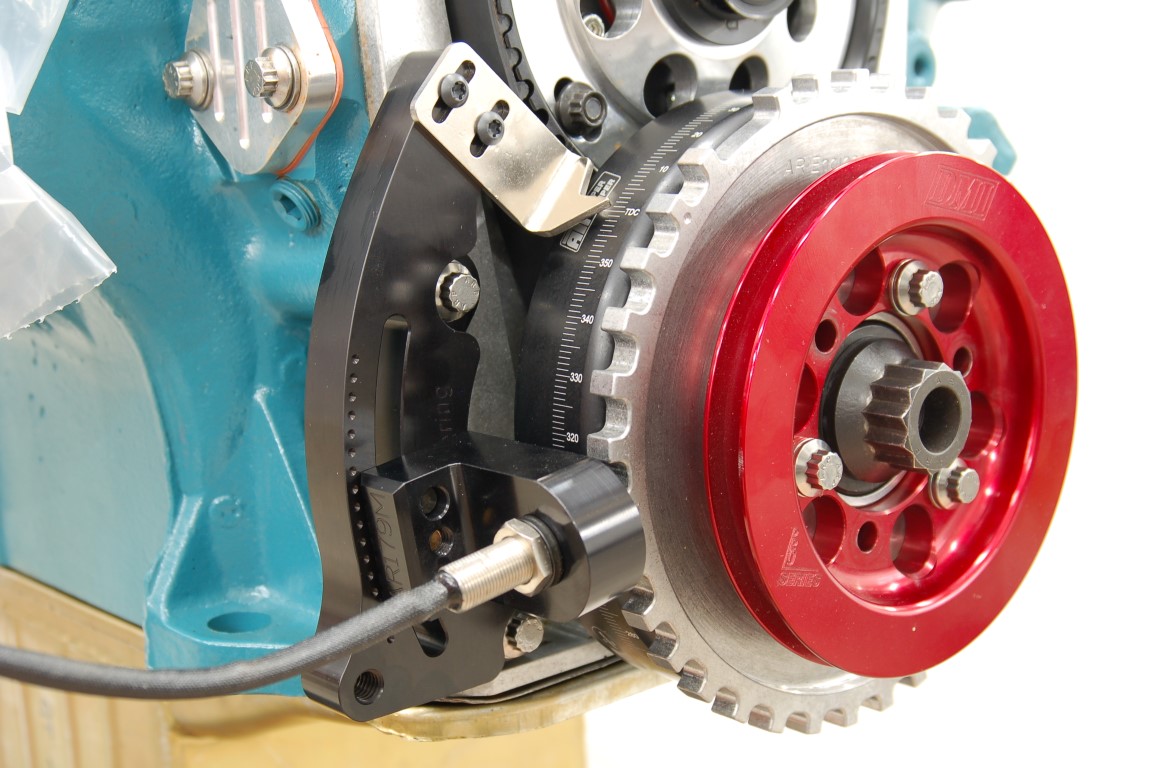
Trigger patterns explained: why your ECU needs crank and cam signals
Before your ECU can open an injector or fire a coil, it has to know engine position and engine speed. The crank and cam signals provide this information to the ECU, and a fault in them is a common reason an engine cranks but won't start.
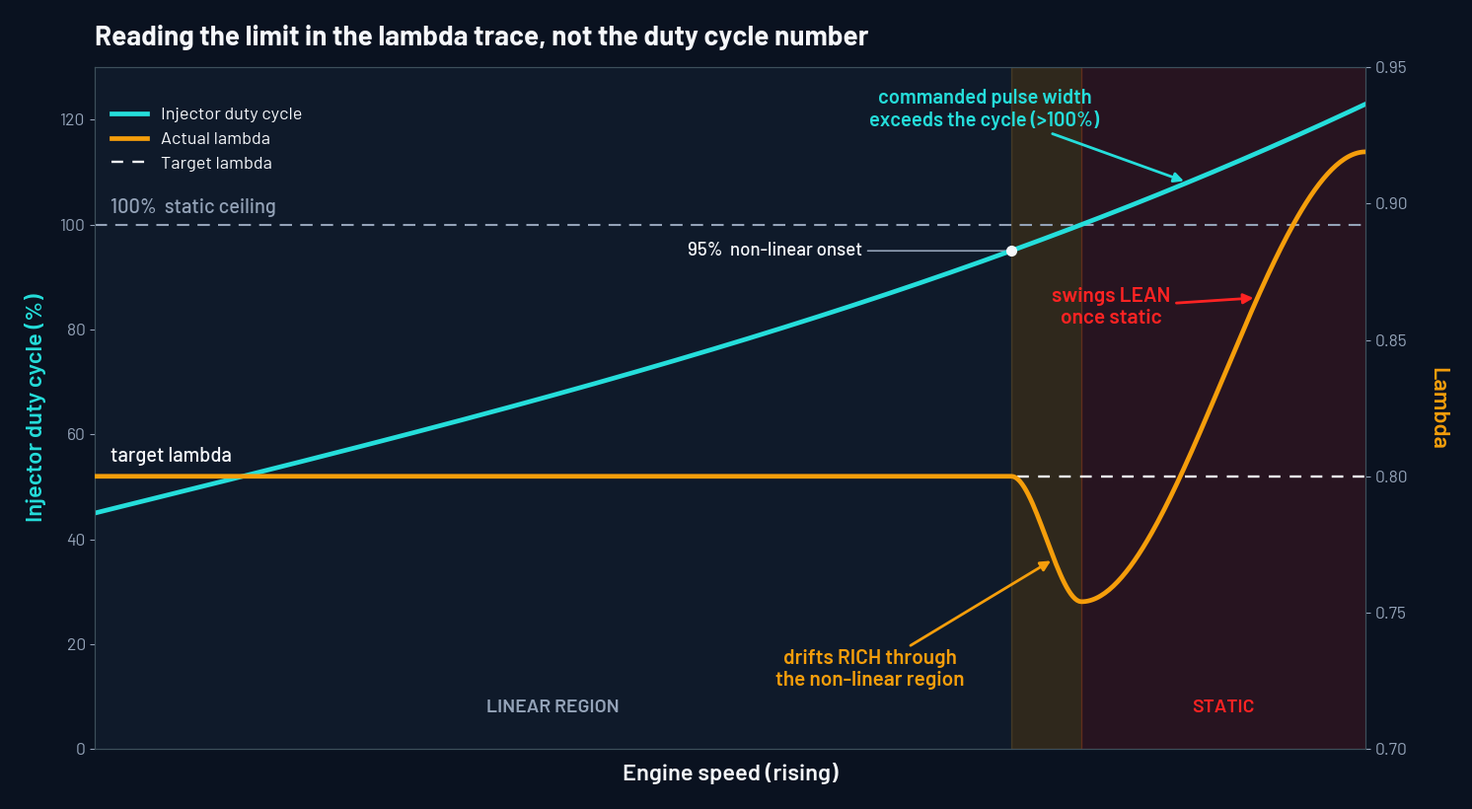
You're at the injector duty cycle limit: how to decide what to do next
Your injectors are maxed out and the mixture is wandering at the top of a pull. Confirm the limit is real before you act, then weigh each fix and what it costs.
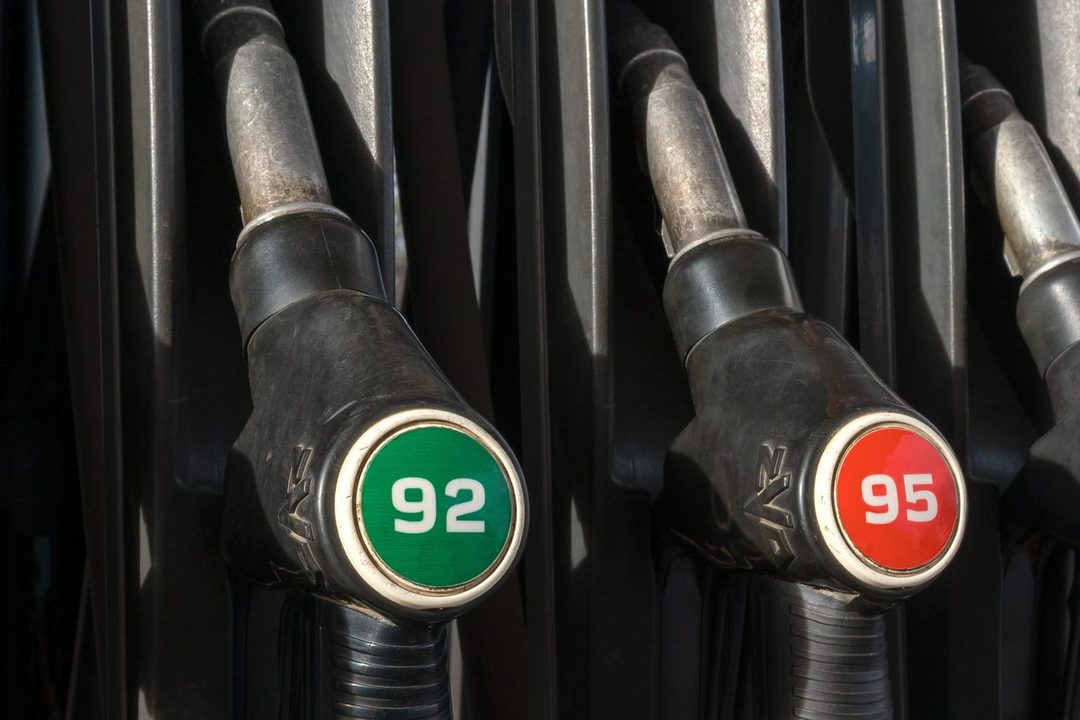
Octane ratings on ethanol blends: what the number actually tells you
Two fuels with the same octane number can knock differently in the same engine. What RON and MON actually measure, why sensitivity matters, and why ethanol blends beat their rating.
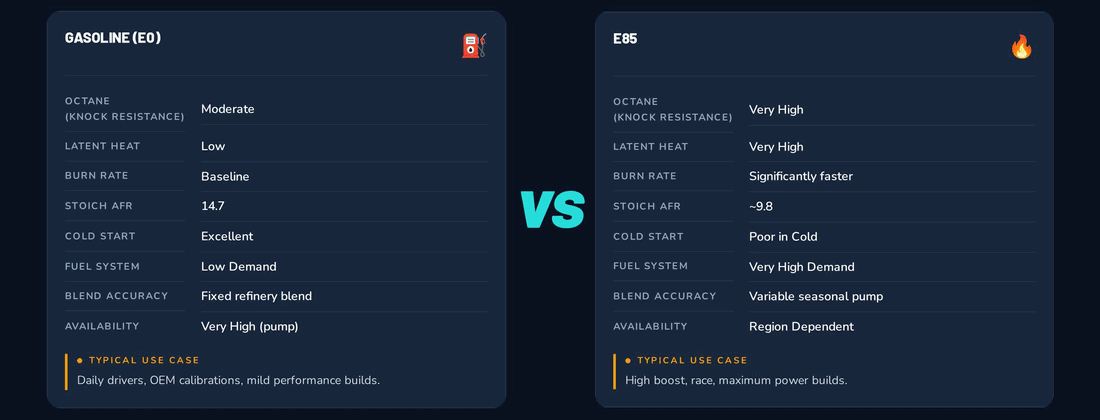
How E85 changes your calibration
E85 needs more fuel, cools the charge, resists knock, and shifts your ignition timing in both directions. The physics behind each calibration decision.
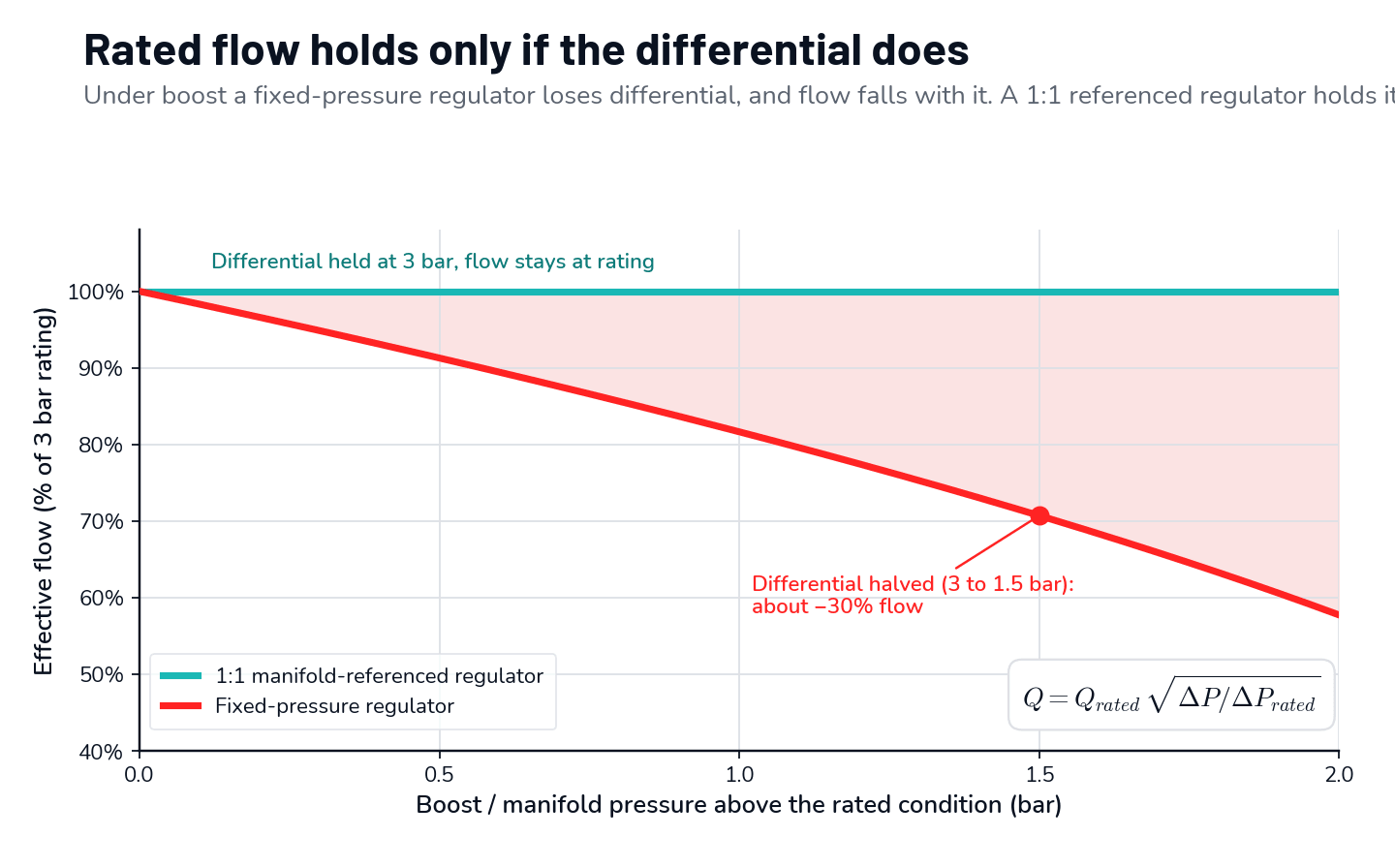
Injector Sizing: The Reasoning Behind the Numbers
Injector sizing rests on one number nobody can confidently pick. What BSFC actually is, how to size without guessing it, and why the duty cycle margins exist.
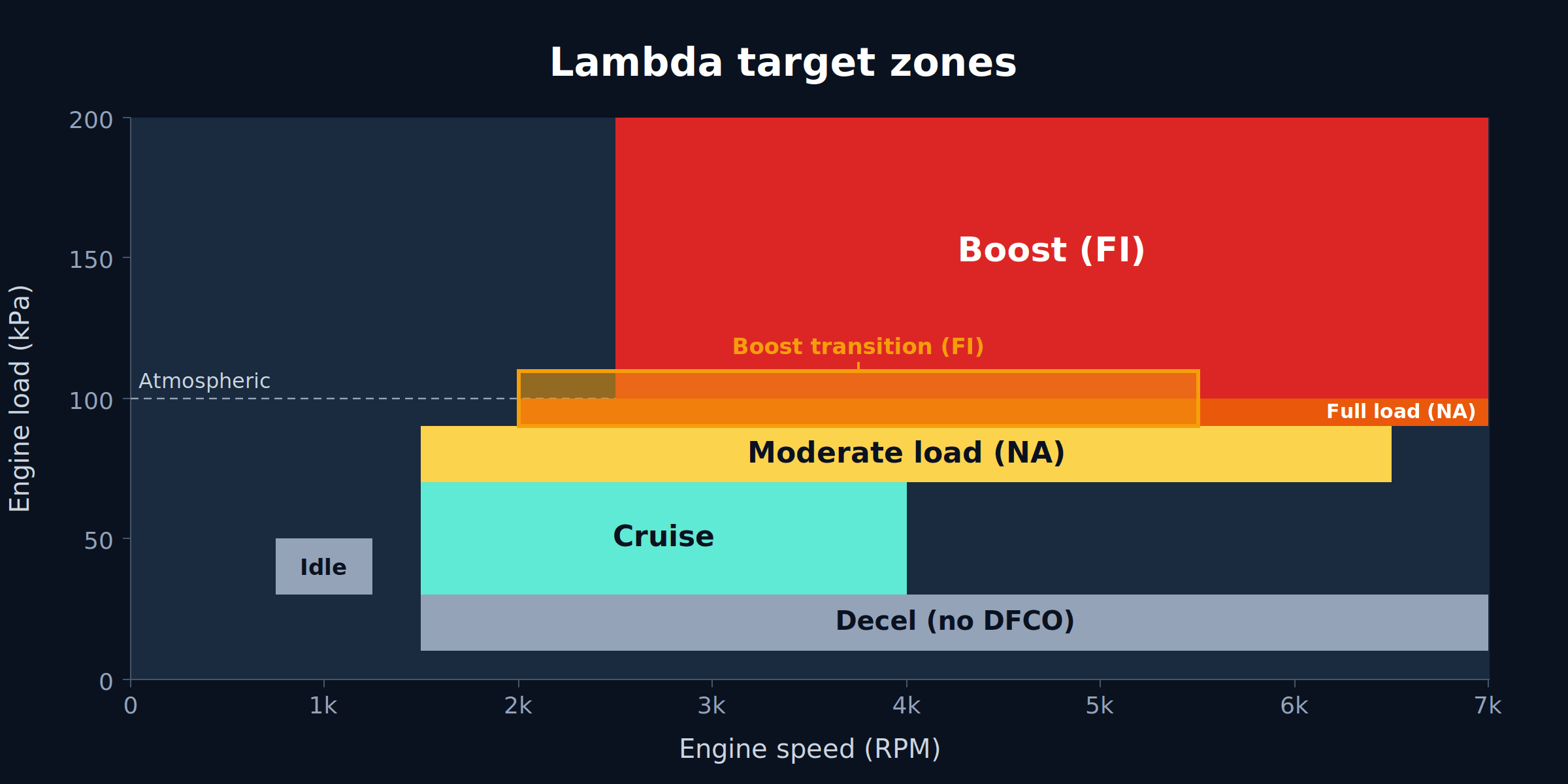
Lambda target table: what AFR to run in each zone
Lambda targets aren't a single number copied across the map. Why each zone wants something different, where to start, and the constraints that set the limits.
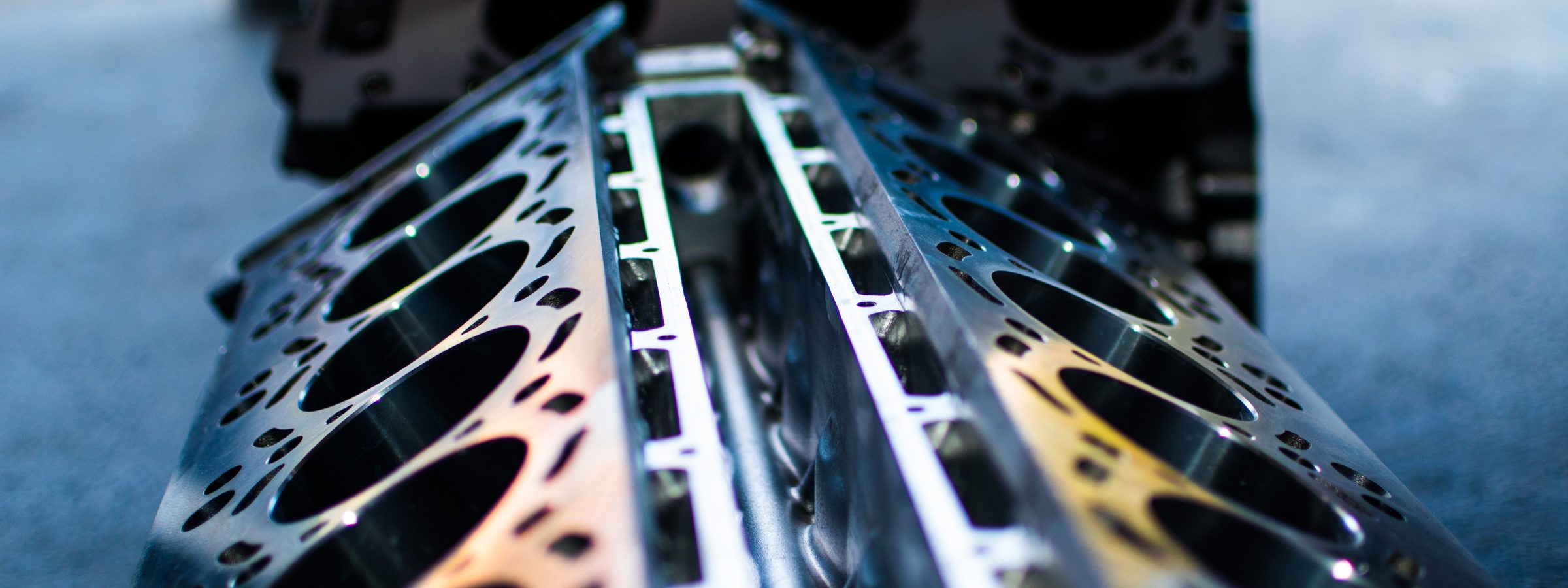
Why bore diameter determines knock frequency
Knock frequency is set by bore diameter. The formula, the resonant modes, why Mode 0 is the default and Mode 2 is the strongest fallback, and how to use the calculated value in practice.
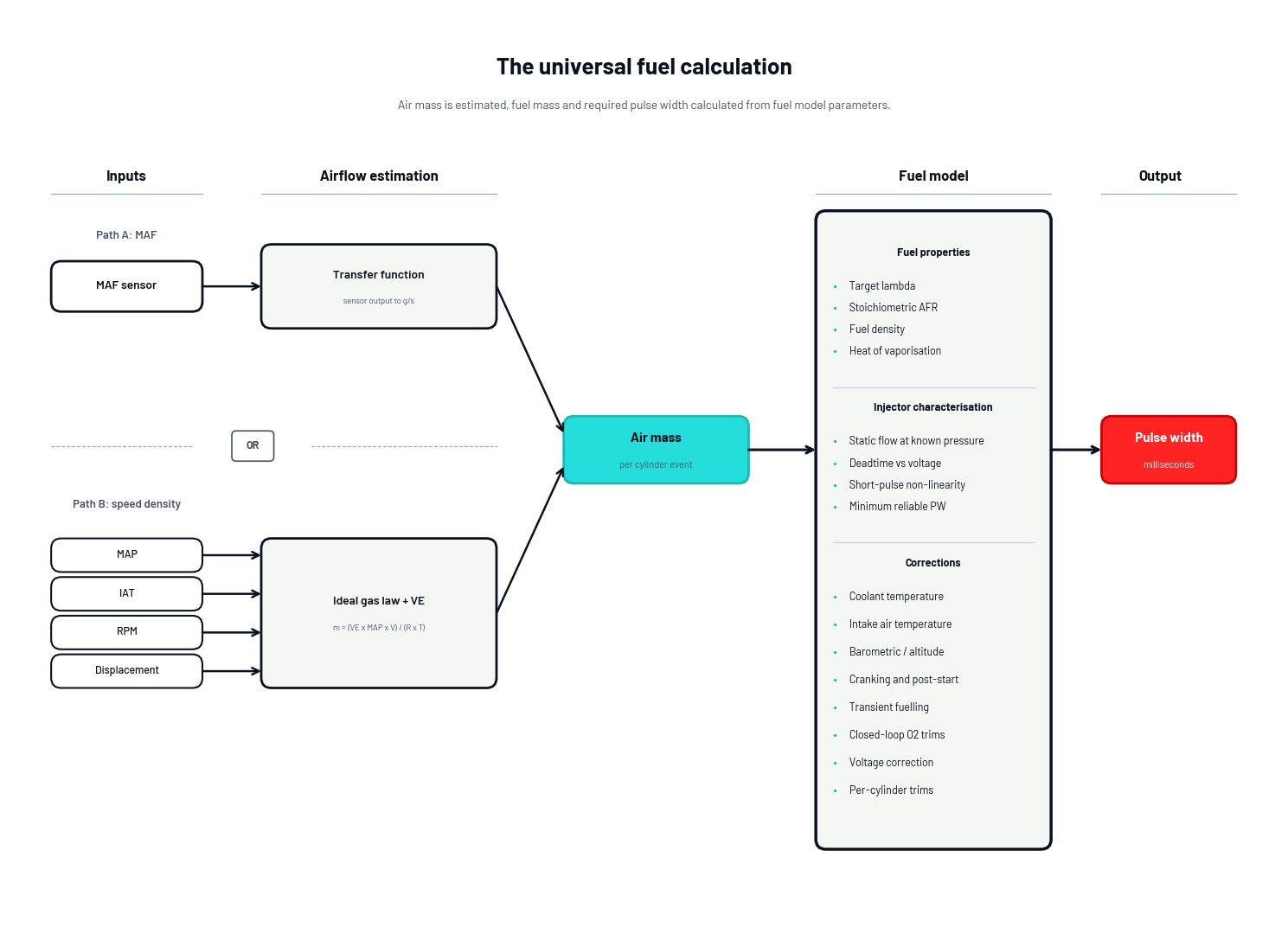
How ECUs calculate fuel delivery
The VE table isn't always storing what you think it is. Where airflow estimation ends, where the fuel model begins, and why errors in one end up in the other.
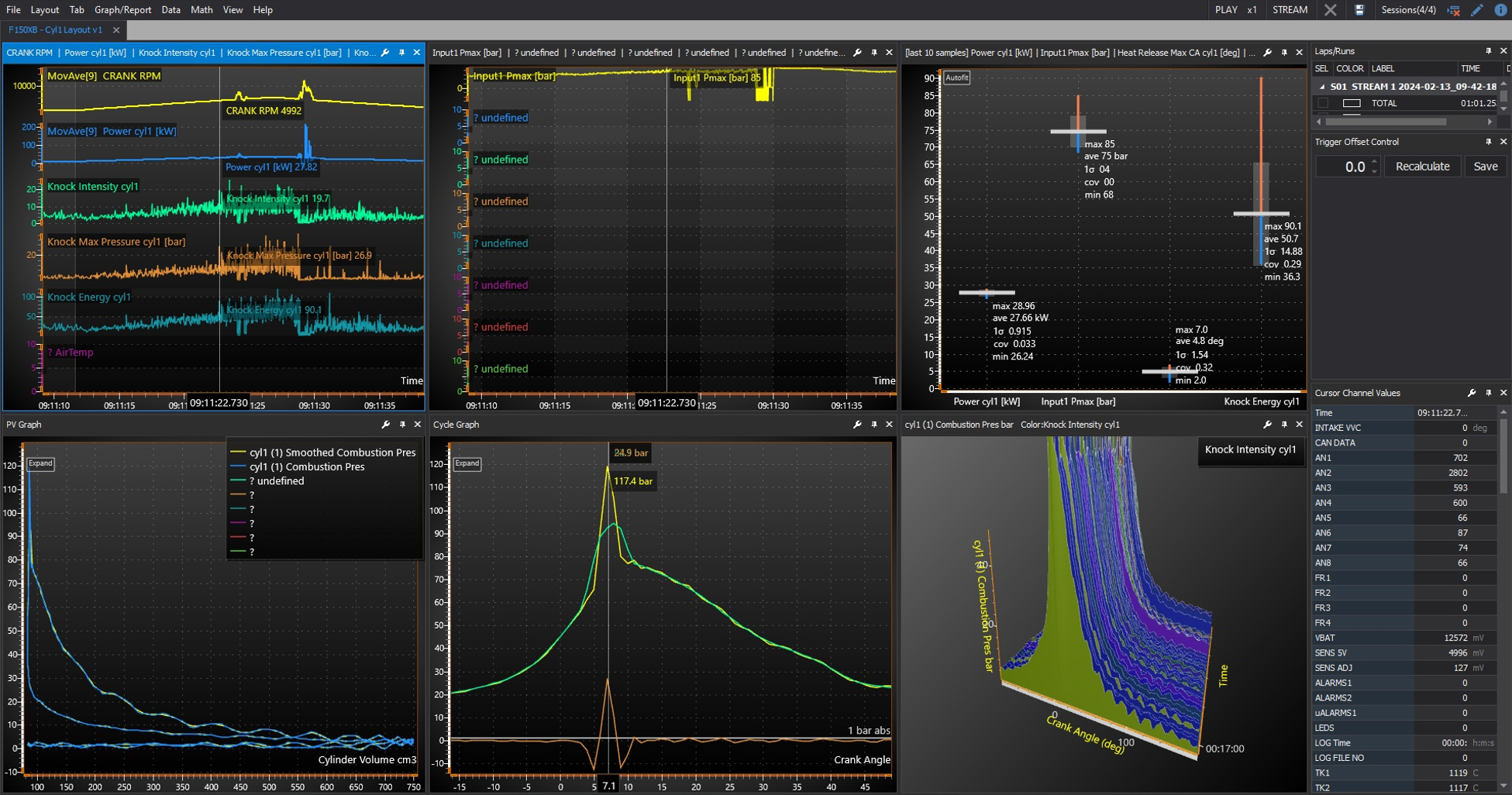
Why knock appears under some conditions and not others
Knock threshold isn't a fixed number. It moves with ignition timing, boost, intake air temperature, coolant temperature, fuel octane, AFR, and engine speed simultaneously.
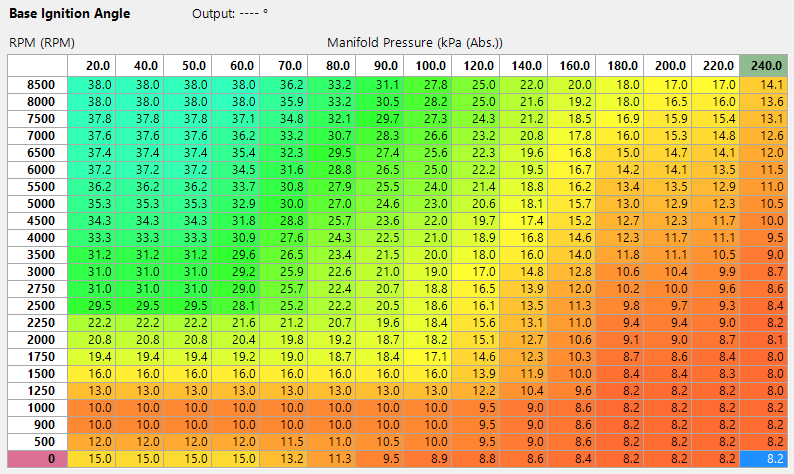
MBT timing: how ignition advance produces torque
The physics behind ignition timing decisions, what MBT means in terms of cylinder pressure, and where knock sets the ceiling.
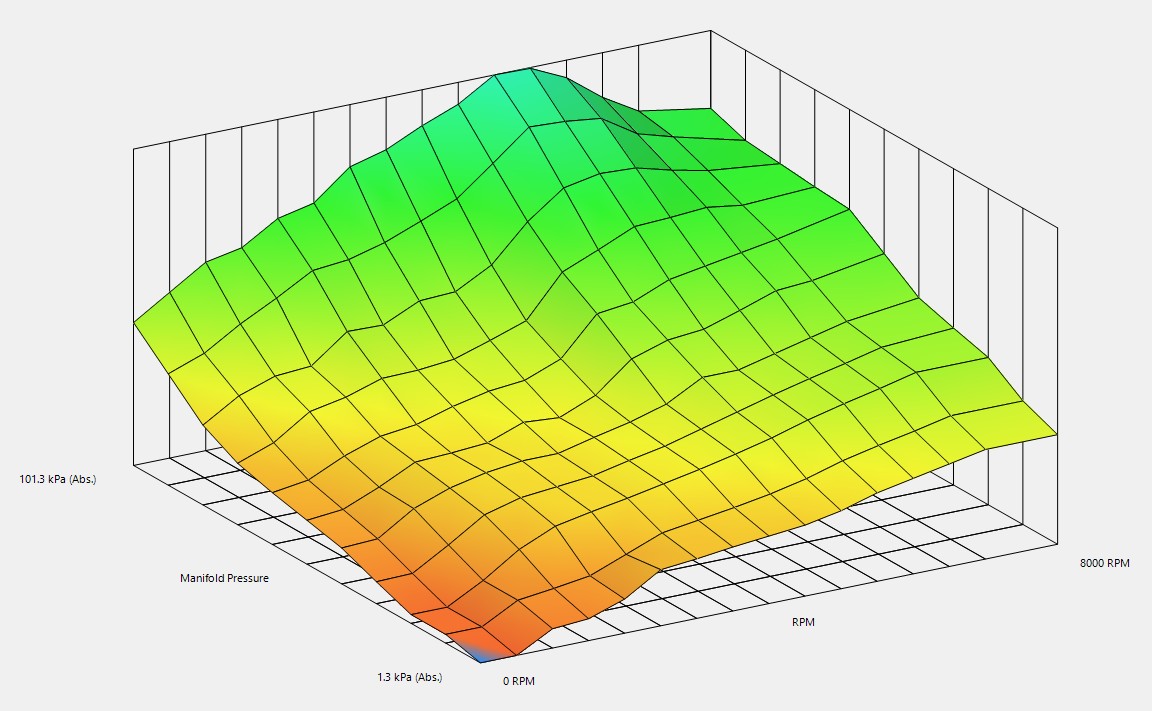
What your VE table shape tells you about your engine
VE tables aren't just fuelling maps. The shape tells you how the engine breathes, where it's most efficient, and where something might be limiting performance.